

In the rapidly evolving digital landscape, mastering digital marketing is indispensable for any business aiming to maintain a competitive edge. Engaging in a digital marketing course is a strategic move that equips learners with the necessary skills to navigate this dynamic field. This article elucidates the essential skills that form the cornerstone of a comprehensive digital marketing course. Find the best Digital Marketing course.
A profound understanding of the digital marketing ecosystem is the bedrock of any digital marketing training. This ecosystem encompasses various facets, including search engine optimization (SEO), content marketing, social media marketing, email marketing, and paid advertising. Grasping how these components interconnect is paramount for devising cohesive marketing strategies.
Search Engine Optimization (SEO)
SEO is the art and science of enhancing a website’s visibility on search engines. A digital marketing course should impart a deep understanding of keyword research, on-page and off-page optimization, and the ever-evolving algorithms of search engines. Mastery of SEO is crucial for driving organic traffic and improving a website’s ranking. Additionally, understanding local SEO and mobile optimization are vital for targeting specific audiences and ensuring accessibility on all devices.
Content Marketing
Content marketing is the creation and distribution of valuable, relevant content to attract and engage a target audience. Learners should acquire skills in crafting compelling blog posts, videos, infographics, and other forms of content that resonate with consumers. Understanding how to align content with consumer intent is essential for effective content marketing. Furthermore, leveraging user-generated content and repurposing existing content can amplify reach and engagement.
Integrated Campaigns
An integrated approach to digital marketing involves synchronizing various marketing channels to deliver a consistent message. Courses should teach how to create campaigns that seamlessly weave together SEO, content, and social media efforts. Evaluating the effectiveness of these campaigns through analytics is essential for continuous improvement and strategy refinement.
Proficiency in Social Media Marketing

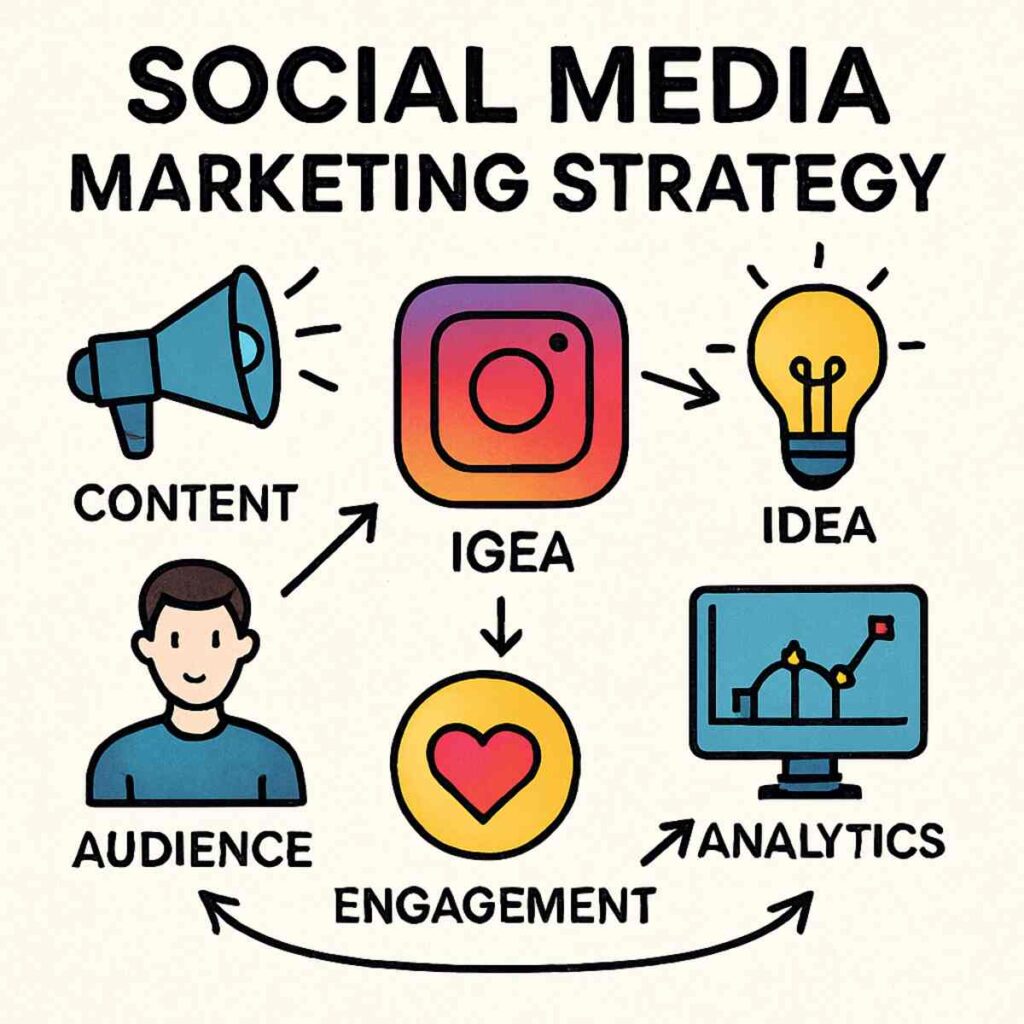
Social media platforms have revolutionized the way brands interact with consumers. Proficiency in social media marketing involves understanding platform-specific strategies, audience targeting, and engagement metrics. An adept digital marketing course will cover the nuances of marketing on platforms such as Facebook, Instagram, Twitter, LinkedIn, and emerging networks.
Audience Analysis and Engagement
Understanding audience demographics, psychographics, and behaviors is vital for crafting resonant social media campaigns. Courses should teach learners how to analyze audience data and tailor messages that foster engagement and brand loyalty. Techniques such as social listening and sentiment analysis provide insights into consumer preferences and perceptions.
Platform-Specific Strategies
Each social media platform has unique characteristics and user demographics. A comprehensive course should explore strategies specific to each platform, such as Instagram Stories, Facebook Groups, and LinkedIn networking. This knowledge enables marketers to optimize content for maximum impact and engagement on each platform.
Community Building and Management
Building a loyal online community is a key aspect of social media marketing. Learners should understand the importance of community management, including responding to comments, moderating discussions, and fostering a sense of belonging among followers. This engagement not only enhances brand reputation but also cultivates long-term customer relationships.
Email Marketing Mastery
Email marketing remains a powerful tool for nurturing leads and maintaining customer relationships. A comprehensive course should cover the creation of engaging email content, list segmentation, and automation techniques. Understanding metrics such as open rates, click-through rates, and conversion rates is crucial for refining email marketing strategies.
Automation and Personalization
Email marketing is most effective when it is both automated and personalized. Courses should demonstrate how to utilize tools like Mailchimp or HubSpot to automate email sequences and personalize content based on user behavior and preferences. Crafting tailored messages increases engagement and conversion rates, fostering deeper customer relationships.
List Building and Segmentation
Building a robust email list and segmenting it based on customer behavior, preferences, and demographics is essential for targeted marketing. Learners should be equipped with strategies for growing their subscriber base and creating segments that allow for more personalized and effective communication.
Compliance and Best Practices
Understanding and adhering to email marketing regulations, such as GDPR and CAN-SPAM, is crucial for legal compliance and maintaining customer trust. Courses should cover best practices in email marketing to ensure ethical conduct and sustained audience engagement.
Competence in Analytics and Data Interpretation
Data-driven decision-making is at the core of successful digital marketing. Learners must gain competence in using analytics tools like Google Analytics to track website traffic, user behavior, and campaign performance. A digital marketing course should emphasize the importance of data interpretation in shaping marketing strategies and achieving business objectives.
Key Performance Indicators (KPIs)
Understanding and setting KPIs is essential for measuring the success of marketing efforts. A robust course will guide learners on how to identify relevant KPIs for different marketing channels and how to use these metrics to optimize performance. This knowledge enables marketers to make informed decisions and adjust strategies to meet business goals.
Advanced Analytics Techniques
Advanced analytics techniques, such as predictive analytics and A/B testing, provide deeper insights into consumer behavior and campaign effectiveness. Learners should explore these methodologies to enhance their analytical skills and drive more effective marketing strategies.
Reporting and Visualization
Effective reporting and data visualization are crucial for communicating insights and strategies to stakeholders. Courses should teach learners how to create compelling reports and dashboards that highlight key metrics and trends, facilitating data-driven decision-making across the organization.
The Role of Technology in Digital Marketing
Technology is an enabler in digital marketing, providing tools that enhance efficiency and effectiveness. Learners should explore the latest marketing technologies, such as customer relationship management (CRM) systems, marketing automation platforms, and artificial intelligence (AI) applications in marketing.
Artificial Intelligence and Machine Learning
AI and machine learning are transforming digital marketing by enabling personalized customer experiences and predictive analytics. A course should introduce learners to AI-driven tools and techniques that enhance targeting, content creation, and customer engagement. Understanding these technologies allows marketers to harness their potential for more impactful campaigns.
Marketing Automation Tools
Marketing automation tools streamline repetitive tasks, allowing marketers to focus on strategy and creativity. Learners should become familiar with platforms like Salesforce, Marketo, or HubSpot, which automate processes such as lead nurturing, customer segmentation, and performance tracking.
Emerging Technologies and Trends
Staying abreast of emerging technologies and trends, such as virtual reality (VR), augmented reality (AR), and blockchain, is crucial for future-proofing digital marketing strategies. Courses should introduce these innovations and explore their potential applications in marketing, equipping learners with the foresight to adapt to industry changes.
Practical Exercises and Real-World Applications
A theoretical understanding of digital marketing concepts is incomplete without practical application. A superior digital marketing course integrates hands-on exercises that simulate real-world scenarios. This approach enables learners to apply concepts, troubleshoot challenges, and gain confidence in their abilities.
Building a Digital Marketing Strategy
Learners should be tasked with developing a comprehensive digital marketing strategy that incorporates SEO, content marketing, social media, and email marketing. This exercise fosters strategic thinking and the ability to synthesize multiple marketing channels. By simulating real-world scenarios, learners can refine their approach and adapt to changing market conditions.
Case Studies and Industry Insights
Analyzing case studies and drawing insights from industry leaders provides learners with a deeper understanding of successful digital marketing campaigns. This knowledge is invaluable for anticipating challenges and innovating solutions in their own marketing endeavors. Learners can draw inspiration from diverse industries and apply best practices to their unique contexts.
Simulations and Role-Playing
Simulations and role-playing exercises provide learners with a safe environment to experiment with strategies and tactics. These activities enhance problem-solving skills and encourage creative thinking, preparing learners to tackle real-world marketing challenges with confidence and innovation.
Conclusion
In conclusion, a digital marketing course that imparts these essential skills equips learners to thrive in the digital marketing sphere. Mastery of SEO, content marketing, social media marketing, email marketing, analytics, and technology integration forms the foundation of a successful digital marketing career. Through practical exercises and real-world applications, learners can translate theoretical knowledge into actionable insights, thereby enhancing their proficiency and confidence in digital marketing practices.
By embracing the multifaceted nature of digital marketing and staying abreast of industry trends, learners can position themselves as valuable assets in any organization seeking to excel in the digital age. Equipping oneself with these skills not only fosters career growth but also drives organizational success, ensuring a competitive edge in the ever-evolving digital marketplace.