


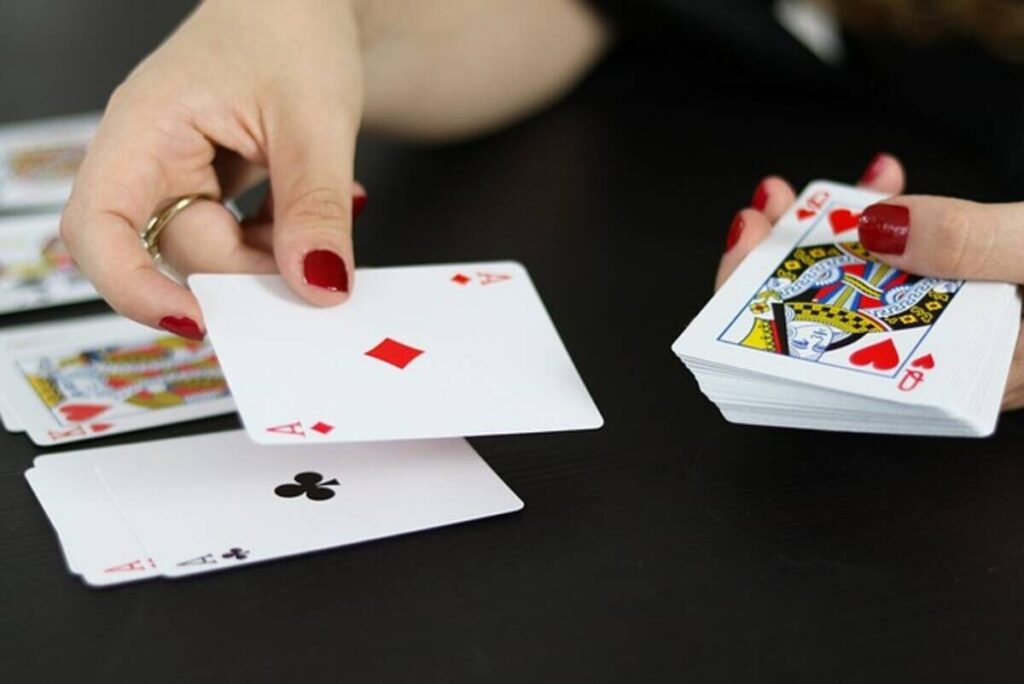
Garbage, also known as Trash, is a simple card game that’s all about luck and a little bit of skill. The objective is to be the first player to arrange your cards in a sequence from Ace to 10. Sounds simple, right? Well, there’s a bit of a catch, and that’s what makes the game exciting! Check out johnnymitchellssmokehouse.com to know more
The Garbage card game, despite its seemingly humble nature, has a rich history that traces back to family game nights across various cultures. Its appeal lies in its simplicity and the balance it strikes between luck and skill, making it accessible to players of all ages. Over the years, Garbage has gained popularity as a staple game for family gatherings, camping trips, and even casual hangouts. Its widespread appeal is a testament to its engaging and inclusive nature.
At its core, Garbage is a race to organize your cards in a specific order. The goal is straightforward: be the first to line up your cards from Ace to 10, face-up. This objective requires a mix of strategic thinking and adaptability, as you must decide when to replace cards and how to best use the cards you draw. The challenge is to achieve this before your opponents, adding a competitive edge to the game.
What keeps players coming back to Garbage is the element of surprise and the “catch” that adds excitement to the game. The unpredictability of drawing cards and the potential for unexpected turns create a dynamic gameplay experience. Each draw can change the tide of the game, and the suspense of whether you’ll get the card you need or have to adapt your strategy keeps players engaged and entertained.
To start playing Garbage, you’ll need:
- A standard deck of 52 cards (without the jokers)
- 2-6 players (though more can join if you have additional decks)
Here’s how you set up the game:
Before the fun begins, ensure you have all the necessary supplies. A standard deck of 52 cards is essential, and it’s important to remove the jokers to keep the game streamlined. Depending on the number of players, you may need to combine multiple decks to accommodate everyone. This preparation step ensures a smooth gaming experience and prevents any interruptions once the game is underway.
The initial setup is crucial for setting the stage for an exciting game. Each player is dealt 10 cards, which they must arrange face-down in a row in front of them. This row becomes their lineup, and players must resist the temptation to peek. The remaining cards form a draw pile in the center of the table, and a discard pile will be created as the game progresses. This setup fosters anticipation and sets the game in motion.
Arranging your lineup is an essential step that requires careful consideration. Players should place their cards in a straight line without looking at them, creating a sense of mystery and excitement. This lineup serves as the foundation for the game, and players must strategize how to best utilize the cards they draw to fill in the correct positions. The lineup is a dynamic element that evolves as the game unfolds.
Let’s get into the nitty-gritty of playing the Garbage card game. Don’t worry, it’s straightforward once you get the hang of it!
- Drawing a Card: The player to the dealer’s left starts the game by drawing the top card from the draw pile. This action sets the pace for the round and introduces an element of chance. The suspense of drawing adds excitement, as players hope for a card that will fit perfectly into their lineup.
- Placing the Card: If the drawn card is a numbered card between Ace and 10, it can be placed in the corresponding position in the lineup (Ace is position 1, 2 is position 2, etc.). Successfully placing a card is rewarding and can lead to a chain reaction if the replaced card is also usable.
- Replacing Cards: The placed card replaces the face-down card in that position, which is then turned over. If this new card can also be placed, the player continues the process. This sequence of replacing and placing creates opportunities for strategic plays and quick advancements.
Ending your turn is a critical moment that can influence the game’s progression. If a player draws a card that cannot be placed, such as a Jack, Queen, or King, they must discard it to the discard pile, concluding their turn. This discard pile becomes a valuable resource for subsequent players, as they can choose to draw from it or the draw pile. The choice of discarding and drawing adds layers of strategy and decision-making.
The dynamics of Garbage involve a blend of luck and strategy. Players must decide when to replace cards and how to maximize their chances of completing their lineup. Observing opponents’ moves and predicting their needs can provide valuable insights. The game encourages players to think on their feet and adapt their strategies based on the cards they draw and the actions of others.
The first player to fill their lineup with face-up cards in the correct order from Ace to 10 wins the round. The winner scores zero points for that round, while other players score one point for each face-down card remaining. The game continues for multiple rounds until a player wins by having the fewest points overall.
Scoring in Garbage is straightforward yet impactful. The winner of each round scores zero points, emphasizing the importance of completing the lineup efficiently. Other players accumulate points based on the number of face-down cards remaining. This scoring system rewards strategic thinking and quick decision-making, motivating players to refine their strategies with each round.
Winning a round in Garbage brings a sense of accomplishment and excitement. The satisfaction of successfully arranging the lineup and outpacing opponents is exhilarating. Each victory contributes to the overall game goal of having the fewest points, fostering a healthy competitive spirit among players. The joy of victory is a driving force that keeps players engaged and eager for more rounds.
Garbage is designed to be played over multiple rounds, allowing players to enjoy extended gameplay and opportunities for redemption. The overall winner is determined by the player with the fewest points after a predetermined number of rounds. This format encourages players to stay focused and consistent, as each round presents a chance to improve their standing and ultimately claim victory.
To keep the game fresh and exciting, try these variations:
When playing with larger groups, consider using two decks of cards. This variation accommodates more players and ensures that everyone has ample opportunities to draw and play. The increased number of cards adds complexity and depth to the game, requiring players to adapt their strategies to a larger pool of possibilities.
Introducing a wild card element adds a new layer of excitement to Garbage. Designate a specific rank, such as 2s, as wild cards that can represent any number. Wild cards offer flexibility and strategic advantages, as they can fill difficult positions and help players complete their lineup faster. The presence of wild cards introduces unpredictability and challenges players to think creatively.
Reverse Garbage flips the traditional objective by requiring players to arrange their cards in descending order from 10 to Ace. This variation challenges players to rethink their strategies and adapt to a new set of rules. The reverse order adds complexity and variety, keeping the game fresh and engaging for seasoned players looking for a new twist.
Here are some quick tips to help you become a Garbage card game pro:
Observing the discard pile is a valuable strategy that can significantly impact your gameplay. Keep a close eye on what others discard, as the top card of the discard pile may be just what you need to complete your lineup. Being attentive to the discard pile allows you to anticipate opponents’ moves and make informed decisions about which card to draw.
If you’re playing with wild cards, use them strategically to enhance your chances of winning. Consider saving wild cards for difficult-to-obtain positions or using them to block opponents from completing their lineup. Wild cards offer unique opportunities to gain an advantage, and using them wisely can be a game-changer.
Flexibility is key to success in Garbage. Sometimes, the card you need doesn’t come up, and you’ll need to adapt your strategy accordingly. Be prepared to change your approach based on the cards you draw and the actions of other players. Staying flexible and open to new possibilities keeps the game dynamic and increases your chances of winning.
The Garbage card game is a fun and engaging way to spend time with friends and family. With its simple rules and quick setup, it’s perfect for any gathering. Whether you’re playing the traditional version or adding some variations for a twist, Garbage is sure to provide hours of entertainment. So grab a deck of cards and start playing today!
Remember, the most important part is to have fun and enjoy the company of your fellow players. Happy gaming!